Tennis elbow is a common overuse injury that affects the tendons on the outside of the elbow, where the forearm muscles attach to the bone. It often develops gradually from repetitive gripping, lifting, or twisting motions during sports or daily activities and can make simple tasks like turning a doorknob or lifting a bag surprisingly painful. Left untreated, tennis elbow can lead to persistent pain, loss of grip strength, and difficulty using the arm for work, hobbies, or sports. At OrthoGeorgia, our orthopedic and sports medicine providers are proud to help patients throughout Central Georgia get back to doing what they love via personalized tennis elbow treatment. Our care team evaluates the full arm, not just the elbow, to identify the underlying cause of pain and determine the best next steps for relief. With convenient locations in Macon, Warner Robins, Kathleen, Milledgeville, Dublin, and Locust Grove, OrthoGeorgia is here to provide the orthopedic care and treatment you need, whenever you need it.
What are the Symptoms of Tennis Elbow?
Tennis elbow symptoms usually begin with pain or burning on the outside of the elbow that may worsen over time, especially with activity. Many patients notice discomfort when gripping, lifting, or twisting the forearm, as well as stiffness after rest. If left untreated, symptoms can progress to constant pain, reduced grip strength, and difficulty performing routine tasks, potentially causing long-term loss of function and affecting work or sports performance. Early evaluation at OrthoGeorgia helps prevent these symptoms from becoming chronic and harder to treat. Common symptoms of tennis elbow include:
Pain or tenderness on the outer bony part of the elbow
Pain that worsens with gripping, lifting, or wrist extension
Discomfort radiating into the forearm and back of the hand
Weakened grip strength
Elbow stiffness, especially in the morning or after activity
Pain when shaking hands, turning a doorknob, or holding a cup
How is Tennis Elbow Diagnosed?
Diagnosis of tennis elbow begins with a detailed history and physical exam, during which your OrthoGeorgia specialist will ask about your symptoms, physical activities, and prior injuries. Strength and range of motion in the elbow, wrist, and forearm will be assessed as your provider also checks for tenderness in the area. Pain with specific maneuvers helps confirm involvement of the extensor tendons. Imaging studies may also be used to rule out other causes of elbow pain or assess tendon damage. On-site X‑rays are available at all OrthoGeorgia clinic locations in Central Georgia. Advanced imaging, such as MRI or ultrasound, may also be ordered when needed to guide treatment planning. Our Macon and Warner Robins offices are equipped with advanced MRI scanners to make comprehensive imaging more accessible to our patients.
Treatment for Tennis Elbow at OrthoGeorgia
Treatment for tennis elbow at OrthoGeorgia is tailored to the severity of symptoms, how long they have been present, and the patient’s recovery goals. Most patients improve with non-surgical care focused on reducing pain, calming inflammation, and restoring strength and flexibility to the forearm muscles and tendons. For more persistent pain, advanced options such as injections or minimally invasive procedures may be considered.
Nonsurgical Tennis Elbow Treatment
Most patients with tennis elbow begin their recovery journey with nonsurgical treatment, which is often very effective when started early. The goal of conservative care is to relieve pain, allow the irritated tendon to heal, and gradually restore strength without overloading the elbow. OrthoGeorgia’s providers emphasize rest, activity modification, proper technique, and a structured rehabilitation program, working closely with our physical therapists to ensure that each patient’s care plan is continual and cohesive. Many patients can return to their usual activities without surgery when they follow a consistent nonsurgical treatment regimen. Your doctor may recommend:
Ice or heat therapy to manage pain and stiffness
Nonsteroidal anti-inflammatory medications (NSAIDs) to manage pain
Forearm straps or elbow/wrist braces to reduce tendon strain
Supervised physical therapy focused on stretching and strengthening
Eccentric strengthening exercises for the wrist and forearm
Injections (such as corticosteroid or biologic options) when indicated
When is Surgery Recommended for Tennis Elbow?
Surgery for tennis elbow is generally reserved for patients who continue to have significant pain and functional limitations after several months of well-supervised nonsurgical treatment. When symptoms persist despite conservative care or when tendon damage is extensive, a surgical procedure may be recommended to remove diseased tissue and promote healing. Signs that surgery may be appropriate include ongoing pain that interferes with work or sports, persistent weakness, and limited use of the arm despite nonsurgical treatment. If indicated, your specialist at OrthoGeorgia will help you decide whether surgery is the right choice based on your lifestyle and recovery goals.
Tennis elbow surgery can often be performed on an outpatient basis at OrthoGeorgia’s surgical centers, using either open or minimally invasive techniques. The procedure typically involves debriding or releasing the damaged portion of the tendon, which stimulates healing of the healthy tissue. After surgery, patients follow a structured rehabilitation program with a gradual return to activity, supported by the same integrated care model OrthoGeorgia provides across Central GA.
Other Orthopedic Sports Injuries and Conditions We Treat at OrthoGeorgia
Tennis elbow is just one of the many sports-related injuries managed by our specialists at OrthoGeorgia. We provide comprehensive orthopedic care to patients of all ages, from elite athletes to weekend warriors. Through accurate diagnosis and treatment, we help patients get back on the field or court feeling stronger than ever. Our sports medicine specialties in Central GA include:




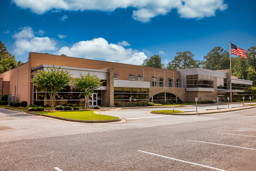
 Macon
Macon
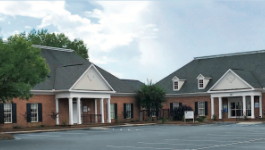
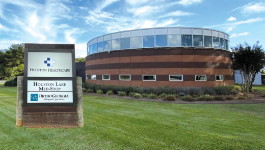


















.png)