A calcaneus fracture means you’ve broken your heel bone. The calcaneus sits at the back of the foot and carries much of your body weight. Falls from a height and car accidents are common causes. In both cases, a hard impact to the heel can break the bone.
Sometimes the break extends into the subtalar joint. This joint helps with the side-to-side movement of your foot. When the fracture reaches the subtalar joint, recovery can be more complicated. For example, pain and stiffness can last even after the bone has healed. Arthritis may also develop in the injured joint later on. With the joint at risk, a suspected calcaneus fracture needs medical attention soon after the injury.
OrthoGeorgia’s foot and ankle specialists provide evaluation and treatment for calcaneus fractures and other injuries, including ankle fractures, throughout Central Georgia.
What Are the Symptoms of a Broken Heel Bone?
A broken heel bone typically causes immediate pain and swelling, making it difficult to stand or walk on the injured foot. If you cannot put weight on your foot after a fall or other hard impact, it is important to have the injury evaluated.
Common symptoms of a calcaneus fracture, or broken heel bone, include:
Sudden, severe heel pain after a fall or impact
Inability to put weight on the foot
Rapid swelling and bruising around the heel
A heel that looks wider or flatter than usual
Bruising that spreads into the arch and sole of the foot
Tenderness across the entire heel
How Do Heel Bone Fractures Happen?
Most heel bone fractures result from a hard impact. You might land on your heels after falling from a ladder or roof, for example. A car accident can also cause a fracture when the foot is driven into the floorboard.
Repeated strain is another common cause of calcaneus fractures. Runners are more likely to develop this type of stress fracture. Heel pain may start during activity and gradually become more persistent.
How Is a Calcaneus Fracture Diagnosed?
Diagnosing a calcaneus fracture usually involves a physical exam along with imaging. The exam gives your doctor a chance to check the heel and look for other signs of injury. Imaging then provides a closer look at the bone. CT scans are often used for more complex calcaneus fractures. A CT scan takes X-rays from several angles to create images of the heel.
Key steps in diagnosing a calcaneus fracture may include:
X-rays: A broken heel bone can usually be seen on on-site X-rays. Doctors can also see if the broken bone has moved out of place.
CT scan: For a closer look, your doctor may order a CT scan. It shows the break from different angles and can reveal damage to the joint. The results help your doctor choose the right treatment and decide if surgery is necessary.
Physical examination: Your specialist will check for swelling, bruising, tenderness, and changes to the skin around the heel. They’ll also check the nerves in your foot.
Assessment for associated injuries: A high-impact fall can injure other areas of the body as well. Your evaluation may include checking the opposite heel and spine for additional injuries.
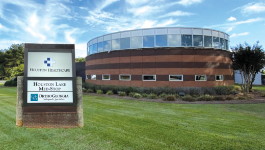
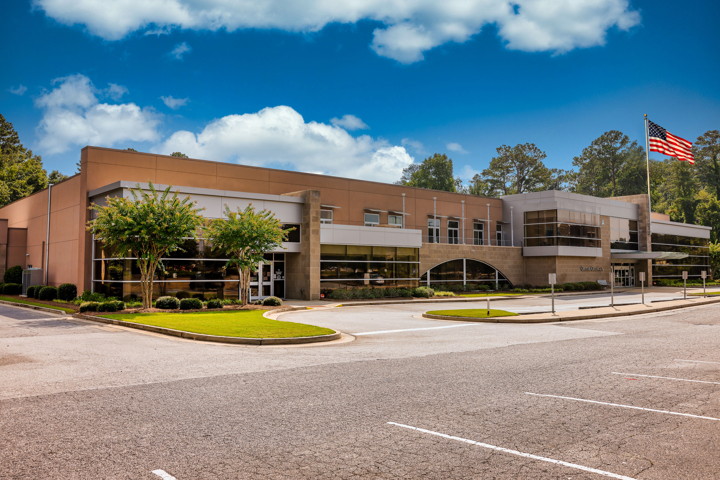
OrthoGeorgia provides orthopedic imaging to support the diagnosis and treatment of orthopedic injuries, with foot and ankle care available at our Macon, Kathleen and Warner Robins locations.
Treatment for Calcaneus Fractures at OrthoGeorgia
Treatment for a calcaneus fracture depends on the severity of the injury, whether the broken pieces of bone have moved out of position, and whether the fracture extends into the joint. Some calcaneus fractures heal without surgery. More serious fractures are different. If the bone has shifted out of place or the joint is damaged, surgery may be the best way to repair it.
Nonsurgical Treatment for a Heel Bone Fracture
A nondisplaced calcaneus fracture means the broken bone has stayed in place. These fractures may heal without surgery. That usually means keeping weight off the injured foot for several weeks while the bone heals.
Common nonsurgical treatments include:
A cast or brace to protect the heel while the bone heals. OrthoGeorgia offers casting and bracing when needed.
Staying off the injured foot for a period of time, with crutches or another device to help you get around
Elevating the foot to help with swelling, especially early on
Slowly putting more weight on the foot as it heals
Targeted physical therapy to improve motion, strength, and function
Calcaneus Fracture Surgery in Central GA
Surgery becomes more likely when pieces of the heel bone have moved out of place, or the fracture extends into the subtalar joint. The operation puts the broken bone back into position and addresses damage to the joint.
Sometimes surgery has to wait. Significant swelling can make it safer to give the skin and surrounding tissue time to recover first. The wait may last several days or longer, depending on the injury.
Open reduction and internal fixation (ORIF) at OrthoGeorgia’s surgical center in Macon.is one way to repair a calcaneus fracture. The surgeon realigns the broken bone and secures it with plates and screws. For some fractures, the repair can be done through smaller incisions.
Life After a Calcaneus Fracture: What Recovery Looks Like
What life after a calcaneus fracture looks like will change as your heel heals. Early on, you may need to stay completely off the injured foot for six to 12 weeks, depending on the fracture and your treatment. As the bone heals, you can start putting more weight on your foot and slowly return to walking.
Your return to work may look different depending on how much time you spend on your feet. Desk work may be possible earlier in your recovery, particularly when accommodations are available. A more physical job may keep you out of work longer. When you do return, you may need lighter duties at first.
Driving may come later. Before getting behind the wheel, you’ll need to be out of your cast or boot and have enough control of your foot to drive safely, including making an emergency stop. When you can drive again also depends on which foot you injured.
You may still have some stiffness, swelling, or aching once you’re back to your usual activities, especially if the fracture affected the joint. Aching may also come and go with changes in the weather. Getting back on your feet is only part of recovery after a calcaneus fracture. Rehabilitation may continue as your strength and movement return.
Other Foot and Ankle Conditions We Treat at OrthoGeorgia
Our dedicated foot and ankle specialists provide comprehensive care for a wide range of orthopedic conditions, helping our patients overcome everything from bunions and Achilles tendinitis to ankle fractures and flat feet. Using advanced technology and the latest treatment techniques, our team works closely with each patient to restore comfort and mobility. In addition to plantar fasciitis, our specialists treat many foot and lower extremity conditions in Central GA, including:
Cookies are small text files that can be used by websites to make a user's experience more efficient. The law states that we can store cookies on your device if they are strictly necessary for the operation of this site. For all other types of cookies we need your permission. This site uses different types of cookies. Some cookies are placed by third party services that appear on our pages.
Necessary cookies help make a website usable by enabling basic functions like page navigation and access to secure areas of the website. The website cannot function properly without these cookies.
Marketing cookies are used to track visitors across websites. The intention is to display ads that are relevant and engaging for the individual user and thereby more valuable for publishers and third party advertisers.
Preference cookies enable a website to remember information that changes the way the website behaves or looks, like your preferred language or the region that you are in.


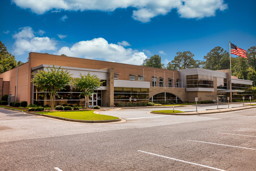
 Macon